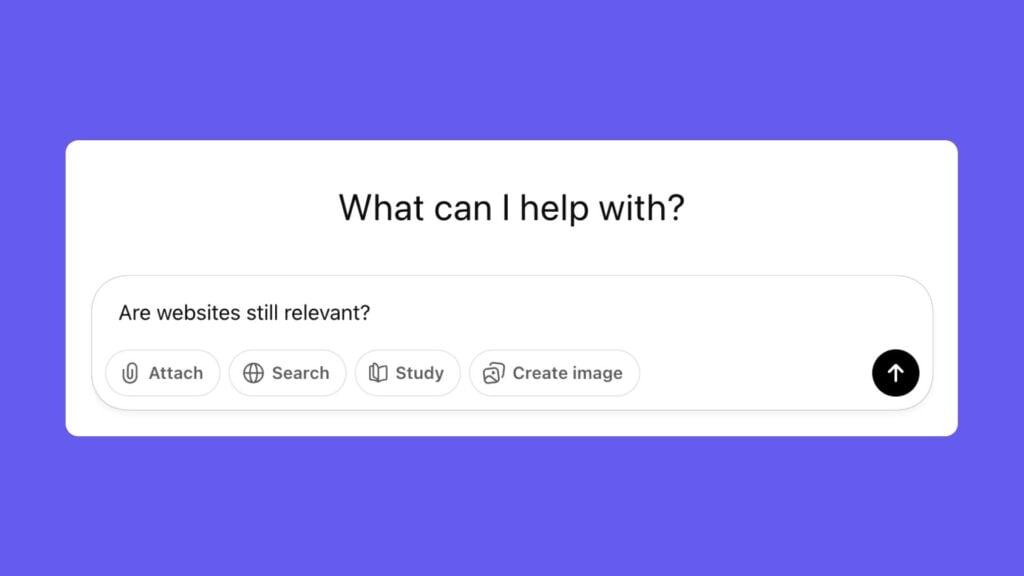

The way people find information online is changing fast. AI-powered search is still evolving, and no one has all the answers yet. But across the websites we work on, we’re starting to see clear patterns emerge.
Our biggest finding: Traffic from traditional search is down, but engagement is up. Not across the board, but on average. Users are arriving with more context and spending more time with content. And the organizations receiving the most referrals from AI share common characteristics.
How AI is Changing Search
AI Search Rewards Clarity & Credibility
Traditional search was built on keywords. AI search is built on understanding intent: what someone is actually trying to learn or accomplish. To respond to queries, AI platforms draw on sources they consider authoritative. That means websites with clear content structure, comprehensive explanations, and established credibility in their field.
Higher Intent Traffic Matters More
We’re seeing fewer visits from long dominant search engines (Google, etc.), across client sites, but the visitors who do arrive are spending more time and engaging more deeply. Their AI response has already successfully filtered out low-intent traffic, so the traffic that does arrive is more invested.
Think of it this way: would you rather have 100,000 users who bounce quickly, or 50,000 who actually engage with your content because they’re interested in your work?
Structure Makes You Discoverable
Websites with clear architecture, well-organized content, and structured data are getting more AI traffic. This means proper heading hierarchy, schema markup, and intuitive organization that make it easy for AI (and humans) to understand where information lives.
What We’re Doing Now
The signals that incentivize AI cite your work aren’t fully transparent yet, but are seeing trends. The good news is, if your site already has strong SEO fundamentals, you’re already set up to benefit from AI traffic.
Here’s what we’re recommending:
- Structure content around how people search. Organize information around the questions your audience asks, and put key answers up front rather than burying them deep in the page. AI rewards content that’s easy to parse and gets to the point quickly.
- Demonstrate your expertise. AI prioritizes authoritative sources. Clear explanations of your work and original research signal that you’re a credible source worth citing. Cut out the fluff and focus your content.
- Use a clear structure. Proper heading hierarchy and semantic HTML (headings, etc.) help AI understand what your content is about and how it’s organized. The better organized your content, the easier it is for AI to parse and cite.
- Stay current: Regularly updated content conveys ongoing relevance and authority. Fresh information also ensures AI is pulling from your most recent and accurate work, not outdated material that no longer reflects what you’re doing.
In Conclusion
The truth is, no one fully understands how AI decides what to cite. The companies building these systems have blurry guidelines, and the field is rapidly evolving. But the fundamentals we’ve always believed in—clarity, credibility, and substance—seem to matter more than ever.
Want to talk about AI discoverability and your website? Let us know.