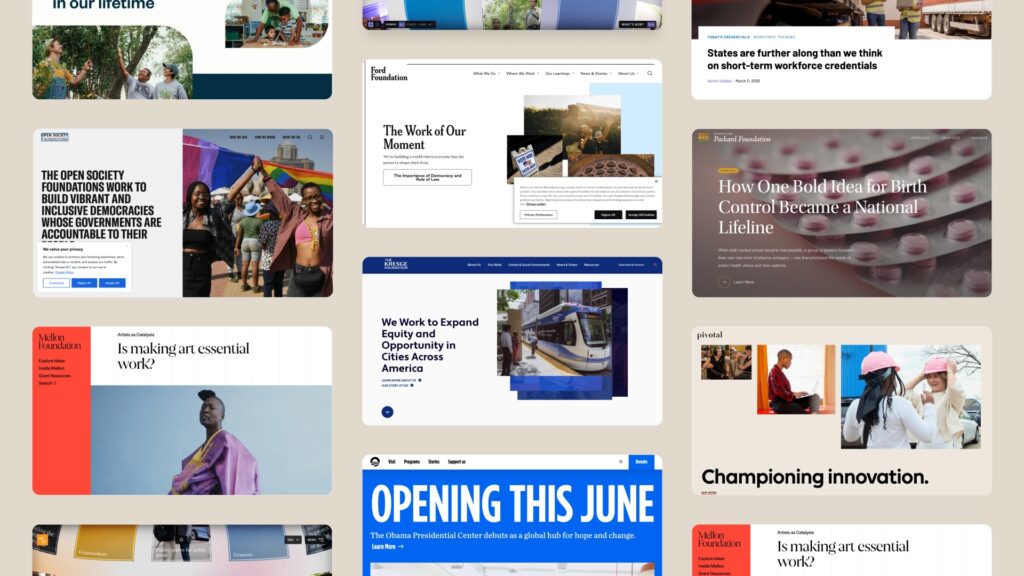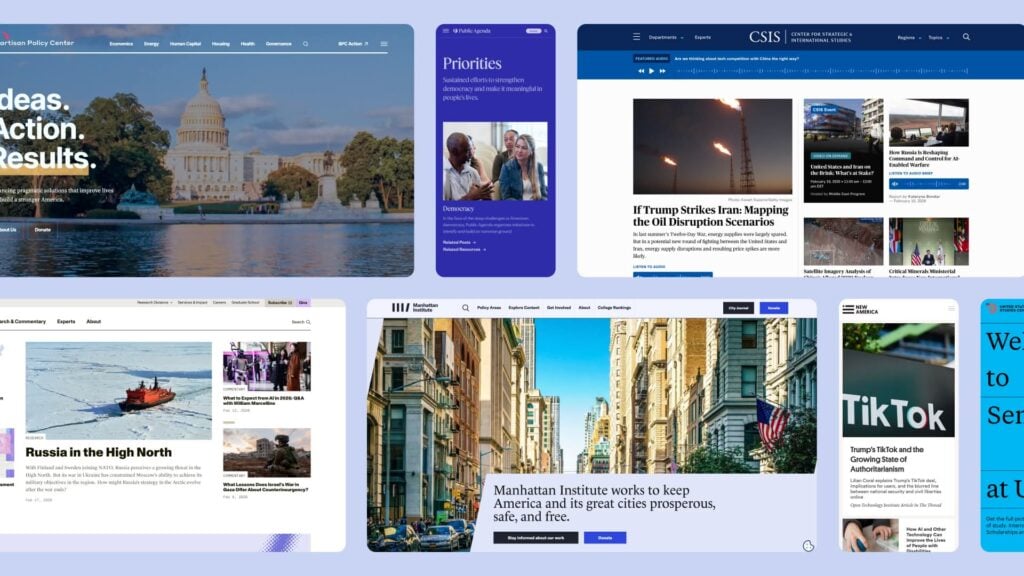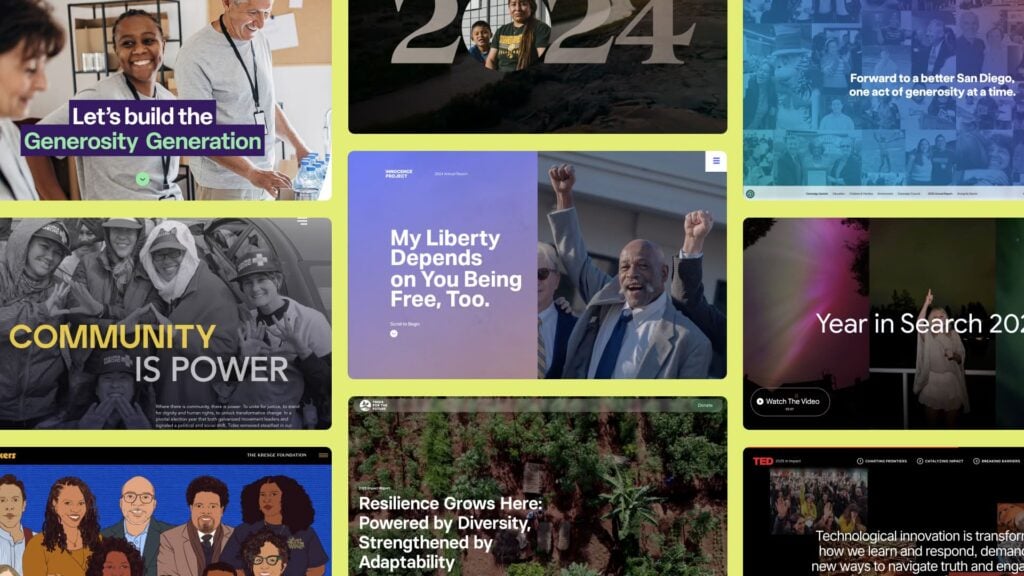
Consent banners have become commonplace on the modern web. Some are simple. Others ask you to review several privacy settings before you can even read the page.
Most website owners think of these banners as a legal requirement. While that’s true, we think it misses a broader point: they are a trust-building tool.
These banners are powered by a Consent Management Platform (CMP), which gives visitors choices about how their information is collected and used. More importantly, they give organizations an opportunity to be transparent about their data practices.
That transparency builds trust and strengthens the credibility of both the website and the organization it represents. It’s the kind of credibility that can’t be claimed through expertise alone. Every thoughtful interaction, no matter how small, contributes to the trust people place in your organization.
Why Use a Consent Management Platform?
There are two reasons, and they’re closely related.
The first is legal. The privacy landscape has changed dramatically over the last several years, with new regulations giving individuals greater control over how organizations collect and process personal information online.
- GDPR (European Union), which established stronger requirements around consent and personal data processing.
- The ePrivacy Directive (“Cookie Law”), which specifically addresses cookies and similar tracking technologies.
- CCPA and CPRA (California), which provide California residents with expanded rights around personal information.
- State privacy laws in Colorado, Virginia, Connecticut, Oregon, Texas, and several other states, each introducing new privacy requirements.
The second, usually overlooked, reason is cultural. Even where regulations don’t necessarily require a Consent Management Platform, expectations around privacy have changed. Visitors increasingly expect website owners to explain what data they’re collecting, why they’re collecting it, and how it will be used.
Consent Management Platforms help organizations respond to both of these shifts: evolving legal requirements and evolving user expectations.
How to Choose a Consent Strategy
A quick disclaimer: We’re a creative agency, not a law firm. Privacy law is nuanced and evolving, so we always recommend working with qualified legal counsel to determine your organization’s specific compliance obligations.
Once an organization decides to implement a Consent Management Platform, there are generally three approaches to consider.
Option 1: Privacy First
No analytics or tracking technologies are loaded until a visitor explicitly opts in. This is the most conservative approach from a privacy perspective and offers visitors the greatest level of control. The trade-off is that website analytics become less complete because only visitors who consent are included in reporting.
Option 2: Balanced
Basic anonymous website analytics are enabled, while advertising platforms, marketing pixels, and other non-essential tracking technologies require explicit consent. This is the approach we recommend for most organizations because it provides meaningful insights into website performance while still giving visitors clear choices about how their information is used, and the ability to easily opt out.
Option 3: Status Quo
Some organizations choose not to implement a Consent Management Platform. While this preserves existing analytics and marketing workflows, it may create legal or compliance risks depending on your organization, your audience, and the technologies your website uses. Organizations considering this approach should discuss it with legal counsel.
Wrapping Up
Privacy regulations will continue to evolve, and so will the technology that supports them.
However, we believe the underlying principle is much simpler than the technological or legal implications: organizations should be transparent about the data they collect, thoughtful about the technologies they use, and respectful of the people they serve. Consent Management Platforms are one way to put those principles into practice.
If your organization is evaluating a Consent Management Platform or planning a website redesign, we’d be happy to help you find an approach that balances compliance, visitor trust, and meaningful analytics. Contact us anytime.