

Twenty years is enough time for a first-grader to graduate from college, buy a house, and start a family. It’s also enough time for a creative agency to realize what it stands for. Visceral turns 20 this month. We want to reflect on a series of decisions that allowed us to stay in business this long.
Early on, we measured progress by simply getting work in the door. If it had a dollar sign attached, we’d do it. The math seemed simple: more projects, more billable hours, more freedom. What we got instead was more pressure, more sleepless nights, and less freedom than before we started the company. It felt like growth, but it was an illusion. We were shrinking under the stress of “yes.”
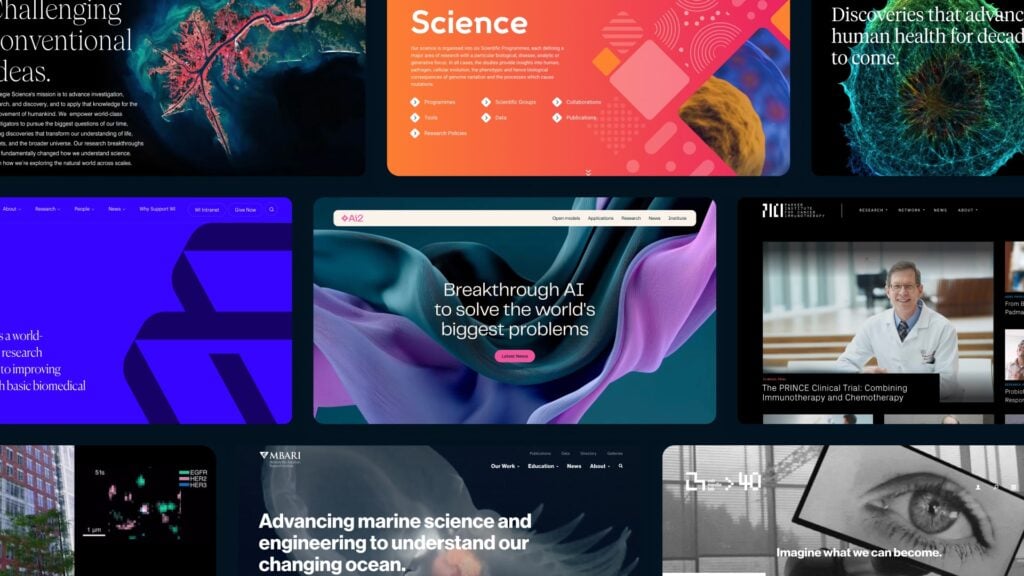
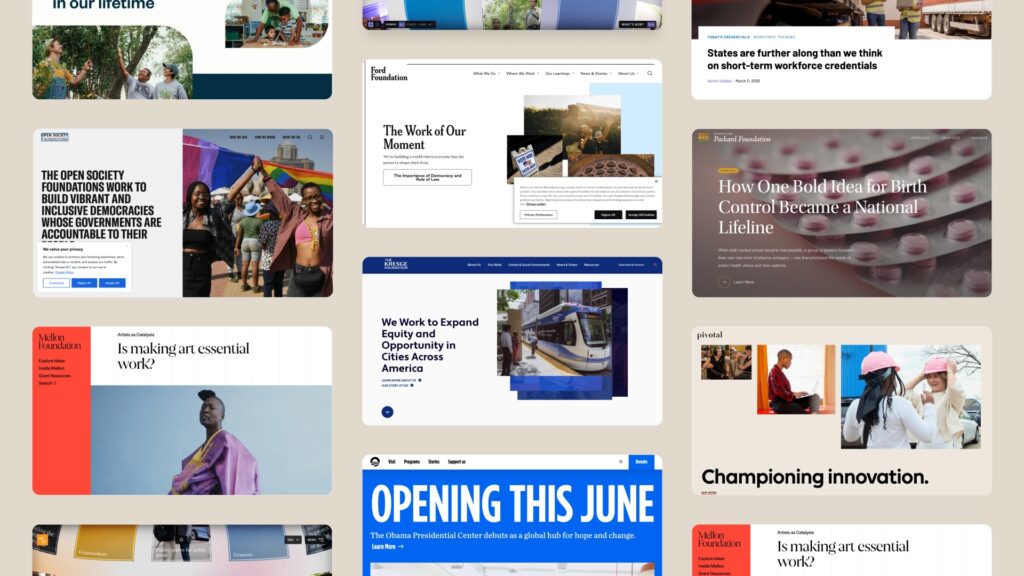
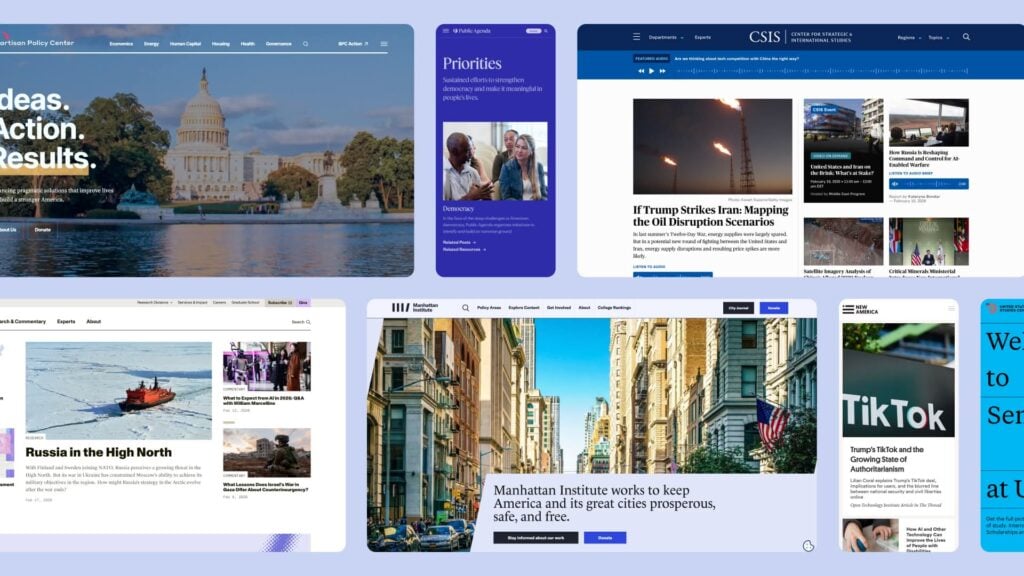
A friend and former colleague sparked an accidental awakening. She brought us a series of website builds for nonprofits and fundraising initiatives. Through each project, we refined our process and became fluent in speaking their language and understanding their challenges. Each one uniquely theirs, but wholly similar. The work was fulfilling, proved vital to their missions, and just as important, there was plenty of it.
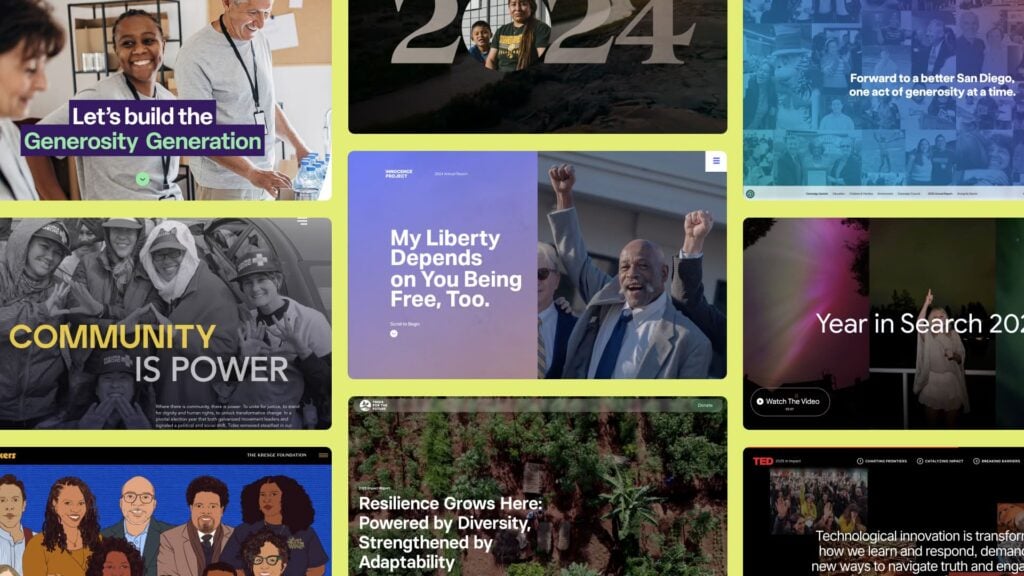
During this period, we had grown from two founders to a team of six. By now, our portfolio consisted almost entirely of mission-driven projects. We discovered our positioning, and with it, our values. So we made it the rule: Mission-driven work only.
That decision cost us.
We walked away from engagements with Google, food and beverage companies, and the medical industry. Lucrative as they were, they no longer fit us, and stabilizing revenue became harder. Team chemistry shook, and foundational members left. A brutally timed run of new business losses followed. We reduced founders’ salaries 40% and 50% to delay the capsizing. It felt like we made the wrong decision.
Then we doubled down.
We had wounds to cauterize, and no move was more healing than expanding our operations team from two to four. This gave us more eyes on how the business actually ran. Weekly meetings became the rhythm. Bottlenecks, finances, what work to chase, what work to refuse, who owned what that quarter. All of it discussed freely every Monday afternoon for 90 minutes and not a minute longer. We had infrastructure and the bleeding stopped.
Through these meetings we decided to share profits annually among the entire team. The model we agreed to is one based on tenure and seniority. Not given on merit and not as a reward. If you choose to work at Visceral you get a piece of what the company earns. Regardless of what the profit line looks like at the end of each year, 55% is allocated to a distribution pool, while the remaining 45% stays put to keep the lights on. Everyone became a vested partner in the agency.
We had found our position as an agency and the people with a shared commitment not only to the success of the business but also to the success of our clients.
Ten years ago we became a certified B Corporation. At that time there were roughly 1,500 B Corps globally. Today that number is over 10,000 and rising. The choice to pursue certification was easy. The process was not. Sharing hundreds of documents and receipts for verification, dozens of emails and phone calls, took several months, and often stressed our small team’s capacity, plus the hefty fee to make it stick. We proceeded anyway to meet the standards because we were already living them.
Honestly, becoming a B Corp has not brought us much new business. Actually, it’s brought us none. What it did for us mattered more. A self-audit system to keep passing. A narrower filter for the right clients and opportunities. A signal to the right hires. A community of peers running their businesses the same way. And a set of evolving standards we can’t drift away from.
Twenty years is enough time for a creative agency to rise up, lose itself, and find itself again. It’s impossible to see everything the next decade holds for us. What is certain, we’ll keep learning and improve from mistakes. We’ll bristle at the rising costs of running a business in this country. Above all else, we will continue to let our values drive decision-making.